

Covert Surveillance Services vs Overt Surveillance: What's the Difference?
When people think of private investigators, they often picture someone secretly following a subject in an unmarked car. While that image isn’t entirely wrong, surveillance involves several different approaches depending on the investigation. One of the most common questions clients ask is whether they need covert or overt surveillance.
Professional Covert Surveillance Services are designed to observe individuals without changing their behavior, while overt surveillance is conducted in a visible or known manner. Each method serves a different purpose and may be appropriate for different situations. In this guide, you’ll learn how both approaches work, when investigators choose one over the other, and how modern Private Investigation Methods help gather reliable evidence through legal and professional practices.
Understanding the Difference Between Covert and Overt Surveillance
Surveillance is simply the process of observing and documenting activities. The difference lies in whether the subject knows they are being observed.
With Covert Surveillance Services, investigators work discreetly. The subject is generally unaware that observation is taking place. This allows investigators to document natural behavior without influencing the situation.
Overt surveillance, on the other hand, is visible. The individual being observed knows—or is expected to know—that monitoring is occurring. This approach is more common in situations involving uniformed security, workplace monitoring, or visible cameras placed for safety or crime prevention.
Think about it this way.
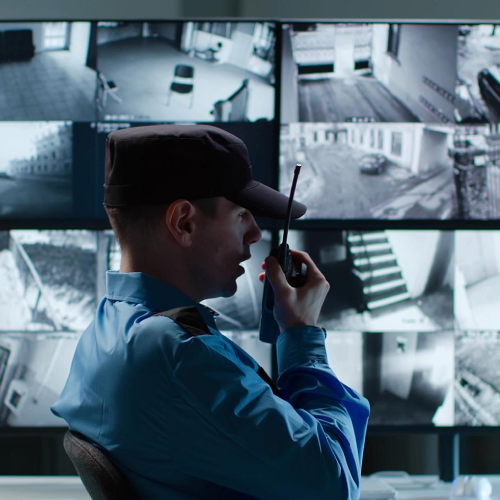
If someone knows they are being watched, they may change how they behave. If they don’t know, investigators are more likely to observe their normal routine.
Neither method is automatically better. The right choice depends on the goals of the investigation.
When Covert Surveillance Is the Better Choice
Many private investigations rely on Covert Surveillance Services because they allow investigators to observe events naturally.
A professional Covert Investigation may be appropriate in situations involving:
- Suspected infidelity
- Insurance fraud
- Employee misconduct
- Harassment
- Stalking investigations
- Asset verification
Because the subject remains unaware, investigators can collect objective evidence without influencing behavior.
Undercover Methods
Some investigations require carefully planned undercover methods. This does not mean investigators create dramatic disguises like television detectives.
Instead, they blend naturally into public environments while conducting lawful observation.
An investigator may work from a parked vehicle, sit inside a public café, or observe activities from another appropriate location.
The goal is always the same: document facts without disrupting normal events.
As former FBI agent Joe Navarro has said, “The best observer is the one nobody notices.”
Professional investigators understand how to remain discreet while maintaining accurate surveillance.
How Overt Surveillance Is Used
Although covert investigations receive more attention, overt surveillance also plays an important role.
Visible surveillance is often used when the goal is deterrence rather than secret observation.
Examples include:
- Security cameras
- Uniformed guards
- Clearly identified monitoring systems
- Workplace safety observation
In these situations, the presence of surveillance may actually discourage theft, vandalism, or policy violations.
For example, a retail business may install visible cameras near entrances to reduce shoplifting. Employees and customers know they are being recorded, which may encourage lawful behavior.
Unlike Covert Surveillance Services, overt surveillance is generally not intended to observe undisclosed activities.
Instead, it promotes accountability through visible monitoring.
The choice depends entirely on the investigation’s objectives.
Common Techniques Used During Covert Investigations
Professional investigators use several proven techniques when conducting a Covert Investigation.
Stakeout Techniques
One of the most recognized methods involves stakeout techniques.
Investigators position themselves in strategic locations where they can legally observe public activity without attracting attention.
Successful stakeouts require planning, patience, and careful timing.
Investigators often spend hours documenting seemingly routine activity because small details may later become important.
Mobile Surveillance
Some investigations require following a subject as they travel between locations.
This process, known as mobile surveillance, demands experience and careful coordination.
Investigators maintain legal and safe distances while documenting travel routes, destinations, and public interactions.
Rather than following aggressively, experienced investigators adjust their approach based on traffic, surroundings, and changing conditions.
Effective mobile surveillance relies on preparation far more than speed.
Professional investigators understand that remaining unnoticed is often more valuable than remaining close.
How Investigators Decide Which Method to Use
Every investigation begins with one important question:
“What information does the client need?”
The answer determines whether covert or overt surveillance makes the most sense.
Imagine a client suspects a spouse is meeting someone secretly.
If visible surveillance were used, the subject would likely change their routine immediately. In this case, Covert Surveillance Services provide a better opportunity to document natural behavior.
Now consider a business experiencing repeated theft in a warehouse.
Installing visible cameras may discourage future theft while also documenting activity.
Each investigation has different goals.
Professional investigators evaluate factors such as:
- Investigation objectives
- Subject behavior
- Location
- Legal requirements
- Safety concerns
- Available evidence
Experienced investigators also remain flexible. If circumstances change during an investigation, surveillance strategies may change as well.
Choosing the correct method often makes the difference between useful evidence and missed opportunities.
Why Professional Investigation Methods Matter
Television often portrays surveillance as exciting chases and dramatic confrontations.
Real investigations are much different.
Professional Private Investigation Methods emphasize patience, documentation, planning, and legal compliance.
Investigators carefully record:
- Dates
- Times
- Locations
- Photographs
- Videos
- Written observations
Every detail contributes to an organized record of events.
Here’s an example.
A client suspected insurance fraud after observing inconsistent physical activity from an individual claiming serious injuries.
Rather than confronting the person directly, investigators conducted a lawful Covert Investigation using stakeout techniques and mobile surveillance.
Over several days, investigators documented public activities that differed significantly from reported limitations.
Because every observation was carefully recorded, the client received organized documentation supported by photographs, timelines, and written reports.
Professional planning—not dramatic action—produced reliable results.
Choosing an Experienced Investigation Team
Whether your situation requires covert or overt surveillance, choosing the right investigator matters.
Experienced investigators understand when each method is appropriate and how to conduct surveillance responsibly.
Before hiring an investigator, ask questions such as:
- Which surveillance method is recommended?
- Why is that approach appropriate?
- How will evidence be documented?
- How often will I receive updates?
- How is confidentiality maintained?
Reliable investigators explain their recommendations clearly rather than making unrealistic promises.
Their goal is not simply to gather information.
It is to collect factual, legally obtained evidence that helps clients make informed decisions.
The Right Surveillance Method Starts with the Right Strategy
Every investigation is unique, and there is no single surveillance method that works for every situation.
Professional Covert Surveillance Services are ideal when investigators need to observe natural behavior without influencing the outcome. Overt surveillance, on the other hand, is often the better choice when visible monitoring can deter misconduct or improve security.
By using proven Private Investigation Methods, including undercover methods, stakeout techniques, and mobile surveillance, experienced investigators collect reliable evidence while following legal and ethical standards.
If you’re unsure which approach best fits your situation, consulting a professional investigator is the first step toward finding answers based on facts rather than assumptions.