

Evidence Gathering 101: What an Evidence Gathering Investigator Documents and Why
What makes evidence believable? Is it a photograph, a video, or simply someone’s statement? In reality, strong evidence comes from careful observation, accurate documentation, and consistent reporting. Whether an investigation involves suspected infidelity, fraud, harassment, or a legal dispute, collecting information the right way is just as important as finding it.
An experienced Evidence Gathering Investigator understands how to collect and preserve facts that clients, attorneys, and courts can trust. This guide explains what investigators document, why documentation standards matter, and how Covert Surveillance Services, photo/video logs, and written reports work together to create reliable evidence. By understanding the investigative process, you’ll see why professional documentation can make all the difference.
What Does an Evidence Gathering Investigator Do?
An Evidence Gathering Investigator is responsible for collecting objective information during an investigation. Rather than making assumptions or offering opinions, investigators focus on documenting observable facts.
Every investigation begins with a clear objective. A client may want to verify someone’s activities, document repeated harassment, investigate suspected infidelity, or gather information for legal proceedings. Once the purpose is established, the investigator develops a strategy based on the available facts.
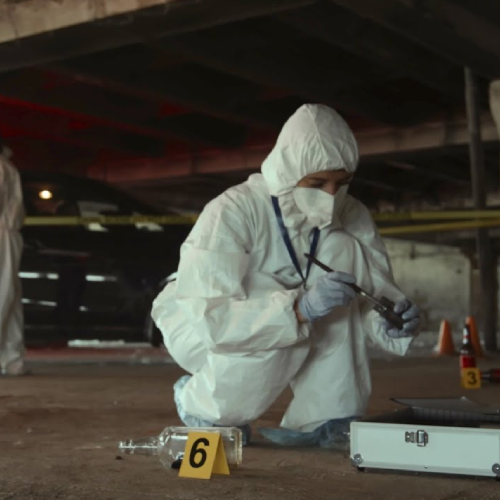
For example, a client may believe an employee is violating company policies. Another client may suspect a spouse is hiding important information. In both situations, investigators collect evidence without interfering with the subject’s normal behavior.
The goal is not to “catch” someone doing something wrong. Instead, investigators record events exactly as they occur.
As criminologist Edmond Locard famously stated, “Every contact leaves a trace.”
Professional investigations are built around this principle. Even small details can become important when properly documented.
Why Documentation Standards Matter
Collecting evidence is only the first step. The information must also be organized and recorded in a way that demonstrates accuracy and reliability.
Strong documentation standards help ensure that every observation can be understood and verified later.
Recording Accurate Details
Professional investigators document much more than photographs.
Typical records include:
- Dates and times
- Locations
- Weather conditions when relevant
- Descriptions of observed behavior
- Vehicle information
- Witness observations
These details help establish a complete timeline of events.
Imagine reviewing surveillance conducted over several weeks. Without organized records, important details could easily be overlooked. Accurate documentation creates a clear picture of what happened and when.
Remaining Objective
Professional investigators avoid assumptions.
Instead of writing, “The subject appeared guilty,” an investigator would describe specific observable actions.
For example:
“The subject entered the restaurant at 6:18 p.m. and remained inside until 8:02 p.m.”
Objective reporting strengthens the credibility of every investigation.
How Covert Surveillance Services Support Evidence Collection
Many investigations require observation without alerting the subject. That’s where Covert Surveillance Services become valuable.
Surveillance allows investigators to observe activities naturally, without influencing behavior.
Experienced investigators carefully plan surveillance around locations, schedules, and client concerns. Their goal is to document what happens—not create situations that produce evidence.
For instance, an investigator monitoring suspected insurance fraud may observe whether a claimant performs activities that conflict with reported physical limitations.
Similarly, surveillance may help verify business meetings, document repeated stalking behavior, or observe interactions relevant to an investigation.
Successful surveillance depends on patience, preparation, and attention to detail.
Would you rather rely on assumptions or documented observations?
Professional surveillance provides answers supported by facts instead of speculation.
Why Photo and Video Logs Are So Important
Visual documentation often becomes one of the strongest parts of an investigation.
Professional photo/video logs do much more than store pictures.
Each image or recording is linked to:
- The date
- The time
- The location
- Investigator observations
- Related investigative notes
This information provides important context that helps explain exactly what occurred.
Imagine receiving several photographs with no dates or explanations. Their value would be limited because no one could verify when or where they were taken.
Now imagine those same photographs accompanied by a detailed timeline, written observations, and supporting reports.
The evidence becomes much more meaningful.
Investigators also preserve original files whenever possible to maintain authenticity and prevent questions about alterations.
Quality documentation isn’t about taking the most photographs.
It’s about capturing the right information while preserving accuracy.
The Importance of Written Reports
Although photographs and videos receive most of the attention, written reports often provide the foundation of every professional investigation.
These reports explain what investigators observed before, during, and after surveillance.
Rather than relying on memory weeks or months later, investigators create detailed summaries while events remain fresh.
A professional report may include:
- Investigation objectives
- Surveillance timeline
- Observed activities
- Supporting photographs
- Locations visited
- Investigator conclusions based solely on documented facts
Notice that investigators don’t speculate about motives or intentions.
Instead, they describe only what they directly observed.
Here’s an example.
An investigator documents that a subject met another individual at a restaurant, remained together for two hours, and left in separate vehicles.
The report avoids assumptions about the relationship between those individuals.
That level of objectivity helps maintain credibility throughout the investigation.
Meeting Legal Evidence Standards
Many investigations eventually become part of legal proceedings. That’s why investigators follow recognized Legal Evidence Standards whenever possible.
Evidence collected improperly may lose value, even if it accurately documents important events.
Professional investigators understand the importance of:
- Lawful surveillance
- Accurate reporting
- Evidence preservation
- Consistent documentation
- Confidential handling of information
These practices help ensure evidence remains reliable if attorneys or courts later review it.
Consider this case.
A business owner suspected confidential company information was being shared with competitors. An investigator documented meetings, photographed public interactions, and prepared organized reports supported by time-stamped observations.
Because the evidence followed professional documentation practices, the client’s attorney could evaluate the findings with confidence.
Good investigations don’t simply collect information.
They preserve information in a way that supports future review.
Choosing the Right Investigator
Not every investigator approaches evidence collection the same way.
Experience, organization, and professionalism make a significant difference.
Before hiring an investigator, ask questions such as:
- How are investigations documented?
- Will I receive photographs and written reports?
- How is evidence preserved?
- How often will I receive updates?
- What investigative methods are used?
Reliable investigators explain their process clearly without making unrealistic promises.
They also recognize that every client deserves confidentiality and honest communication throughout the investigation.
Professional evidence collection isn’t about rushing to conclusions.
It’s about building an accurate record of facts.
Facts Create Stronger Decisions
Whether you’re investigating suspected infidelity, employee misconduct, harassment, or another personal concern, reliable documentation provides clarity that assumptions cannot.
A skilled Evidence Gathering Investigator combines professional observation, Covert Surveillance Services, organized photo/video logs, detailed written reports, and recognized documentation standards to collect information that is accurate, objective, and dependable.
When investigations follow established Legal Evidence Standards, clients receive more than photographs or videos. They receive carefully documented facts that can support informed decisions and, when appropriate, assist legal professionals.
If the truth matters, professional evidence gathering is one of the most effective ways to replace uncertainty with confidence.