


How Surveillance For Court Evidence Holds Up in Court
Can surveillance footage really make a difference in a legal case? The answer depends on how the evidence was collected, documented, and preserved. Simply recording photos or videos isn’t always enough. Courts expect evidence to meet legal standards before it can be considered reliable.
Professional Surveillance For Court Evidence helps individuals, attorneys, and businesses gather factual information while following proper legal procedures. In this guide, you’ll learn how surveillance evidence is collected, why the chain of custody matters, what qualifies as admissible evidence, and how investigators may provide court testimony when needed. Understanding these principles can help you make informed decisions if your case may end up in court.
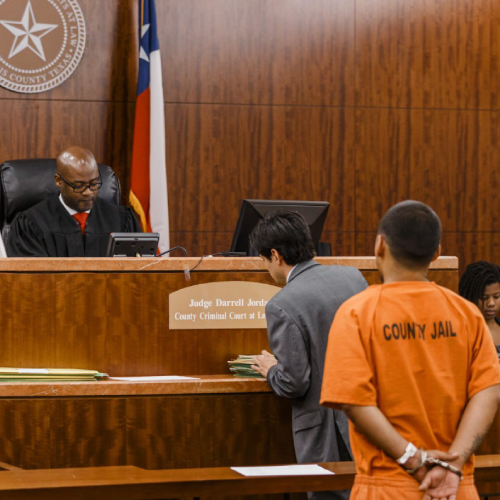
What Is Surveillance for Court Evidence?
Surveillance involves observing and documenting activities to establish factual information about a specific event or behavior. While many people associate surveillance with criminal investigations, it is commonly used in civil disputes, family matters, insurance claims, and workplace investigations.
Professional Surveillance For Court Evidence goes beyond simply recording video. Investigators carefully document dates, times, locations, observations, and supporting photographs while maintaining detailed records throughout the investigation.
For example, an attorney representing a client in a property dispute may request surveillance to verify how a location is being used. Likewise, surveillance may help document parenting schedule compliance, business misconduct, or suspected fraudulent activity.
The objective is never to make accusations. Instead, investigators collect objective information that allows judges, attorneys, and clients to evaluate verified facts.
As legal scholar John Henry Wigmore famously stated, “Evidence is the basis of justice.”
Professional investigators understand that every photograph, observation, and report may later receive close legal scrutiny.
Why Proper Collection Matters
Not all surveillance evidence carries the same value. Evidence collected improperly may be challenged or excluded during legal proceedings.
Professional investigators understand applicable laws before beginning any surveillance operation. They observe individuals only in locations where surveillance is legally permitted and avoid violating privacy rights.
Accurate Documentation
Every observation is carefully recorded.
Professional reports generally include:
- Dates and times
- Locations
- Descriptions of observed activities
- Photographs and videos
- Investigator notes
Detailed documentation helps demonstrate consistency and accuracy throughout the investigation.
Maintaining the Chain of Custody
One of the most important legal concepts is the chain of custody.
This process documents who collected the evidence, how it was stored, who accessed it, and whether it remained unchanged from collection through presentation.
A broken chain of custody may raise questions about whether evidence has been altered or mishandled.
Professional investigators preserve digital files, photographs, and written reports using secure methods designed to protect their integrity.
What Makes Evidence Admissible?
Many people believe any photo or video automatically becomes courtroom evidence. In reality, courts evaluate several factors before accepting it.
Whether evidence becomes admissible evidence depends on applicable laws, court rules, and the facts of each individual case.
Generally, courts consider questions such as:
- Was the evidence collected legally?
- Is it relevant to the case?
- Can its authenticity be verified?
- Has it been preserved properly?
- Can someone explain how it was obtained?
These questions help judges determine whether evidence meets legal standards.
Professional investigators understand that every investigation should anticipate possible courtroom review. They prepare reports clearly and objectively without speculation or personal opinions.
Imagine two surveillance videos showing similar events.
One includes documented dates, investigator reports, secure storage records, and supporting photographs.
The other contains only an anonymous video clip with no explanation.
Which would likely appear more reliable?
Professional documentation often makes the difference.
The Role of Covert Surveillance Services
Many investigations require discreet observation. That’s where Covert Surveillance Services become valuable.
These services involve observing activities without interfering with the situation being investigated. Investigators remain unobtrusive while documenting behavior occurring in public or other legally observable settings.
For example, an investigator may monitor scheduled meetings, business operations, or public interactions that relate directly to a legal dispute.
The purpose is not to provoke behavior or create evidence. Instead, investigators simply record events as they naturally occur.
Professional surveillance teams also understand when observation should end. If legal boundaries or safety concerns arise, experienced investigators follow established procedures rather than risking compromised evidence.
Clients often ask whether hidden cameras or tracking devices are always necessary.
In many cases, careful observation, professional photography, and detailed reports provide stronger evidence than advanced technology alone.
Effective surveillance relies more on planning and experience than equipment.
How Investigators Present Evidence in Court
Collecting evidence is only part of the process. Sometimes investigators are also asked to explain their findings during legal proceedings.
Professional court testimony focuses on facts rather than opinions.
Investigators may explain:
- How surveillance was conducted
- When observations occurred
- What equipment was used
- How evidence was preserved
- Whether reports accurately reflect observed events
Their role is not to determine guilt or innocence. Instead, they help the court understand how the evidence was collected and why it should be considered reliable.
For example, an investigator may testify that photographs were taken on specific dates, digital files remained securely stored, and no alterations occurred after collection.
Clear documentation often strengthens the credibility of both the investigator and the evidence itself.
Experienced investigators prepare every report knowing they may eventually need to explain it before a judge.
Where Surveillance Evidence Is Commonly Used
Professional Surveillance For Court Evidence supports many different types of legal matters.
In Civil Court, surveillance may help resolve disputes involving contracts, property, insurance claims, business disagreements, or financial misconduct.
In Family Court, surveillance may assist attorneys handling child custody matters, parenting schedule disputes, asset investigations, or situations involving suspected misconduct that relates to family legal issues.
Every case is different, and surveillance is never the only factor courts consider. Judges evaluate all available evidence together before reaching decisions.
Here’s an example.
A business owner suspected an employee of violating a non-compete agreement after leaving the company. Professional surveillance documented the employee openly conducting competing business activities during scheduled working hours.
The investigator’s organized reports, photographs, and preserved documentation allowed the attorney to present reliable evidence during legal proceedings.
Cases like this demonstrate why proper preparation matters from the very beginning of an investigation.
Why Hiring Professionals Matters
Legal evidence requires more than good intentions. Small mistakes during collection or documentation may reduce its usefulness later.
Professional investigators understand investigative procedures, legal limitations, documentation standards, and evidence preservation techniques.
They avoid shortcuts that could compromise an investigation and maintain confidentiality throughout every stage of the process.
Would you trust important legal decisions to incomplete evidence?
Working with experienced investigators helps ensure that surveillance is conducted responsibly, professionally, and with careful attention to legal requirements.
Their goal is to provide objective facts—not opinions or assumptions.
Build Your Case on Facts
Whether you’re involved in a business dispute, family matter, or civil claim, reliable documentation can play an important role in protecting your interests.
Professional Surveillance For Court Evidence combines careful observation, secure chain of custody, legally obtained admissible evidence, and accurate court testimony when required. Together, these elements help ensure investigative findings are organized, credible, and ready for legal review.
If your case may proceed to Civil Court or Family Court, working with experienced investigators can provide the factual foundation needed to support informed legal decisions. When evidence is gathered properly from the beginning, it is far more likely to withstand careful examination throughout the legal process.